
 Abdimalik Hussein

A few years ago, most scam messages were in clumsy English. “Dear Costumer, your account have been suspend.” Easy to laugh at, easy to delete.
That’s changed. Today a lot of phishing in Somali and Swahili reads like it was written by someone from your own neighbourhood, because often it was. It mentions EVC Plus or M-Pesa, uses the right greetings, and sometimes names a relative or a local school. It’s much harder to spot, and that’s the point.
Why phishing in Somali and Swahili is so convincing
- It feels like home. A message in your mother tongue lowers your guard. It sounds like family or community, not like a stranger.
- Filters miss it. Most spam filters and security training were built around English. Local-language messages slip through more often.
- Social pressure works. Appeals to family duty, religion or clan make it feel rude to say no or to ask questions.
- The details are right. Mentioning EVC Plus, M-Pesa, a real bank, a hospital in Mogadishu or a school in Nairobi makes the story believable.
The scams we see most often
The relative in trouble
A new number messages you: it’s a cousin abroad, or an uncle in hospital, or a nephew whose phone was stolen. They need money now, and they’ll explain later. The hurry is the trap. It stops you from calling anyone to check.
The job or scholarship offer
Work in the Gulf, a scholarship in Turkey or Malaysia, a visa “already approved”. You just need to pay a processing fee by mobile money. Real employers and universities don’t collect application fees through EVC Plus or M-Pesa from a personal number.
The WhatsApp code
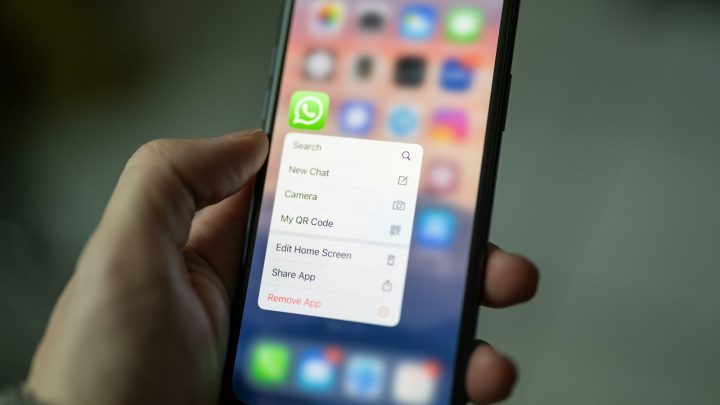
A friend’s account, already hijacked, messages you: “I sent you a code by mistake, please forward it.” That six-digit code is the key to your own WhatsApp account. Send it and you lose the account, and the scammer moves on to your contacts. Our guide to protecting your WhatsApp account shows how to block this.
The fake agent
Someone calls claiming to be from Hormuud, Safaricom or your bank. Your wallet will be blocked unless you confirm your PIN. No real agent ever needs your PIN.
Habits that actually protect you
- Check on a second channel. If a relative asks for money, call them on the number you already have, or ask someone in the family. It takes two minutes.
- Never share codes or PINs. Not with friends, not with “support”. Nobody legitimate needs them.
- Slow down on purpose. Urgency is the scammer’s best tool. A real emergency can wait five minutes while you check.
- Never pay to receive. If you have to pay to get a prize, a job or a scholarship, it’s a scam.
- Talk about it. Share real examples in your family and community WhatsApp groups. Older relatives are targeted a lot, often because nobody showed them what these messages look like.
Where to report it
Report scam numbers to your mobile operator and block them. In Kenya you can forward suspicious SMS to Safaricom’s free short code 333. In Somalia, contact your operator’s customer care, for example Hormuud’s, and warn your contacts. If you’ve lost money through mobile money, our guide to M-Pesa scam SMS explains how reversals work.
Scammers rely on trust. A quick phone call to check is the cheapest protection there is, in any language.